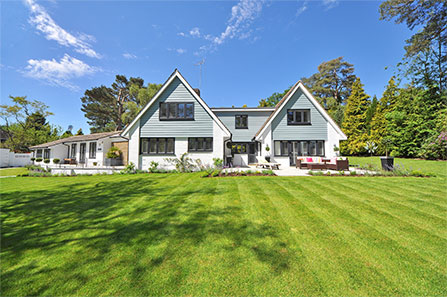
For many homeowners, the family home carries more weight than any other asset they own.
It’s where kids grew up. Where routines were built. Where decades of life quietly happened.
So when that chapter ends — when the kids are grown and life moves on — deciding what to do with the house can feel far more complicated than the spreadsheets suggest.
This is a story I’ve seen more than once in Middle Tennessee, and it’s one that deserves to be told honestly.
The House That Wasn’t Ready (Or So It Seemed)
A couple I worked with had raised their family in their home for more than 20 years. Like many parents, they stayed put through sports seasons, graduations, and the slow transition into an empty nest.
Eventually, they moved locally, downsizing their lifestyle but keeping the house.
The plan was simple — at least on paper:
“We’ll rent it out and let it support us in retirement.”
But simple plans often stall when emotions get involved.
The house sat vacant. Six months turned into more than six months.
Each visit uncovered "one more thing" that could be improved:
* A cosmetic update that felt necessary
* A repair that might help attract a better tenant
* A project that felt safer to complete before anyone moved in
None of it was unreasonable.
But together, it created a quiet kind of paralysis.
The Hidden Cost of Waiting
What often gets missed in these situations is that vacancy isn’t neutral.
A vacant home still has:
* Property taxes
* Insurance
* Utilities
* Maintenance
* Opportunity cost
And perhaps most importantly, it carries mental weight.
For this couple, the question wasn’t whether the home could rent — it was whether they were ready to let someone else live there.
That hesitation is completely understandable.
But here’s the reality we walked through together:
Perfect readiness is rarely what makes a rental successful.
Confidence Comes From Clarity
Rather than rushing decisions, we focused on clarity.
We looked at:
* What the home would realistically rent for today
* How demand looked in that part of town
* What improvements actually moved the needle — and which ones could wait
The numbers didn’t demand perfection.
They demanded momentum.
Once the home was occupied, something changed.
The anxiety eased.
The property started working.
And suddenly, the idea of making future improvements felt manageable instead of overwhelming.
Renting Doesn’t Have to Be Forever
One of the biggest misconceptions I see is the idea that renting is a permanent decision.
For this couple, it wasn’t.
The plan now is intentional:
* Stabilize the property
* Learn how it performs
* Make strategic improvements over time
* Revisit rent positioning in a future lease cycle
That flexibility is often lost when homeowners feel pressure to “get everything right” before starting.
A Pattern Worth Noticing
This story isn’t unique.
I’ve met many homeowners who:
* Aren’t ready to sell
* Don’t want to rush into being landlords
* Feel stuck between emotional attachment and financial logic
What breaks the cycle isn’t urgency.
It’s understanding.
A Final Thought
If you’re sitting on a vacant home and telling yourself it just needs "one more thing" before it’s ready, it may be worth asking a different question:
Is waiting making this easier — or harder?
Often, the best next step isn’t a renovation.
It’s clarity.
If you’re trying to understand what renting your specific property would actually look like — without pressure or long-term commitment — starting with real numbers can help turn uncertainty into a plan.