When Life Moves Faster Than the Market
Real estate decisions are often framed as if timing is something you can control.
List when the market is strong. Sell when demand is high. Wait for the right moment.
But sometimes, life moves first.
And the market has to catch up.
A Timeline That Didn’t Wait
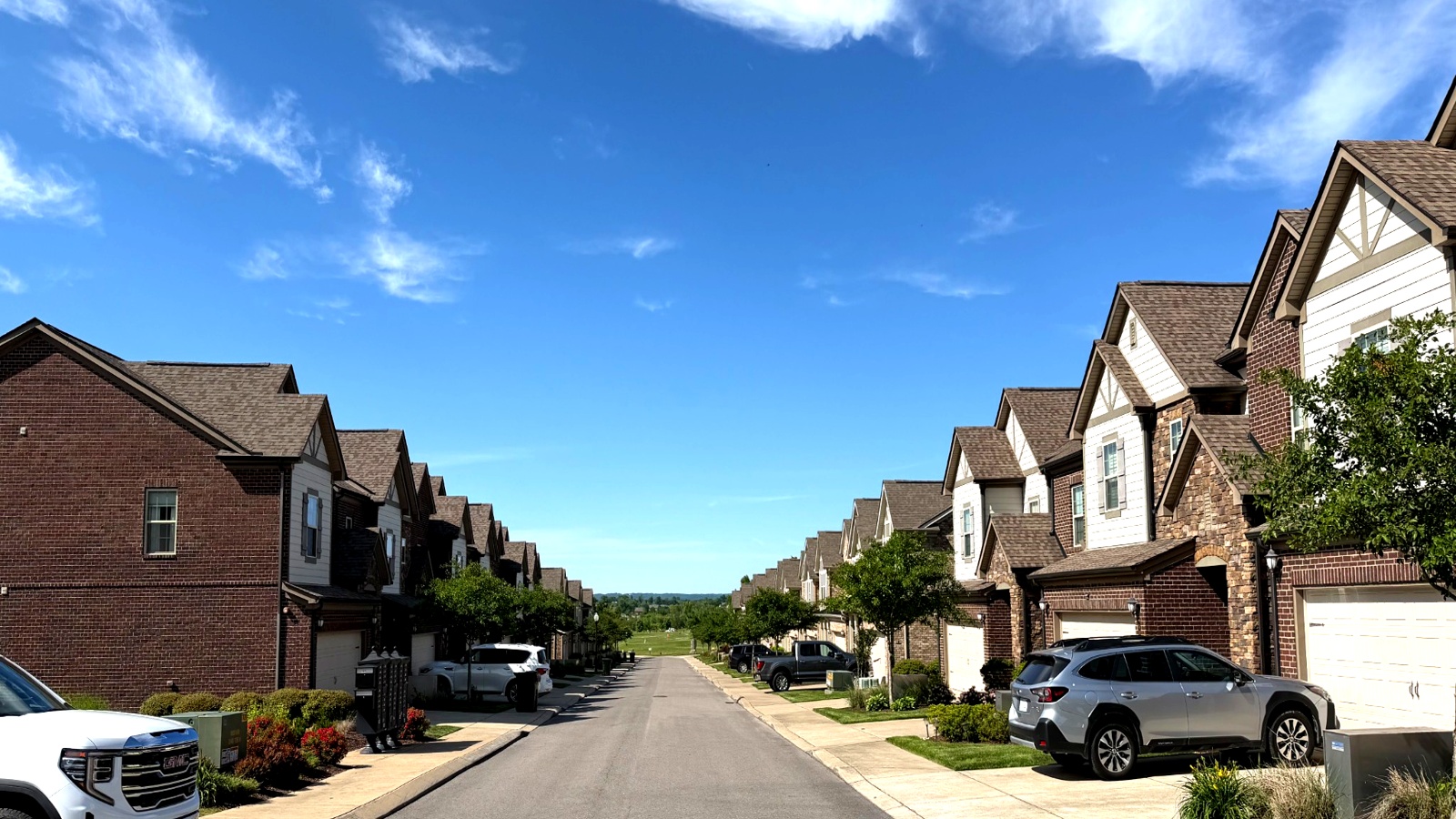
I worked with a couple who had just built a new construction home in White House, Tennessee.
Like many homeowners in growing areas, they expected to spend time there. Settle in. Let the market evolve around them.
Instead, a job relocation changed everything. We first connected in late November. By early January — January 4th, to be exact — they were already in Charlotte.
No long runway. No time to “wait and see.”
Just a house, a mortgage, and a decision that had to be made quickly.
The Reality of a Saturated Market
At the end of 2025, inventory in parts of White House had built up.
New construction homes, similar floorplans, and competing listings created a level of supply that made pricing less predictable than many homeowners expected.
For this couple, selling immediately would likely have meant realizing a loss relative to what they had just invested in the home.
So they chose a different path.
They decided to rent.
The Real Pressure Wasn’t the Market
On the surface, this looked like a pricing problem.
What could the home rent for?
But underneath that was a more immediate pressure:
Carrying two homes.
Every month the property sat vacant wasn’t just a missed opportunity — it was a real financial and emotional burden.
Clarity Over Precision
We started with a rental analysis.
Not to find the perfect number, but to establish a realistic range based on current demand and comparable properties.
From there, the strategy wasn’t about chasing top-of-market rent.
It was about balancing two realities:
* The market was softer than expected
* Time had real cost
We also stayed in close communication throughout the marketing period, adjusting expectations based on actual activity — not assumptions.
The Outcome The home was rented in 30 days.
Slightly longer than an ideal 21-day target, but within a timeframe that prevented extended vacancy.
The lease was signed at approximately $150 below what we believed to be peak market rent.
And importantly, the property was no longer sitting empty.
The uncertainty was gone.
What They Actually Needed
From the outside, it might seem like the goal was to maximize rent. It wasn’t.
What they really needed wasn’t a top-dollar lease.
They needed a stable, immediate solution in a market that was softer — and more fragile — than expected.
That distinction matters.
Because in situations like this, waiting for perfect pricing often creates more risk than accepting a well-informed, timely outcome.
Renting as a Strategy, Not a Compromise
There’s a common assumption that renting is what you do when selling doesn’t work.
In reality, renting can be a way to:
* Avoid locking in a loss
* Buy time in a shifting market
* Reevaluate when conditions are different
For this couple, it wasn’t a fallback.
It was a bridge.
A Pattern Worth Recognizing
I see this more often than people expect:
* Newer homes
* Sudden relocations
* Markets with more supply than anticipated
* Owners forced into fast decisions
The challenge isn’t a lack of options.
It’s understanding which option solves the right problem.
A Final Thought If life has moved faster than the market for you — whether due to relocation, timing, or unexpected change — the question isn’t always “What’s the best price?”
Sometimes it’s:
“What decision gives me stability now, and flexibility later?”
*If you’re navigating a similar situation and trying to understand what renting your property could look like in today’s market, starting with real numbers can help turn a rushed decision into a structured one.*